Blog Archives
At Hollywood Grill a Beautiful Beach and Armenian Food Make a Perfect Pair
By Robyn and Doug Kalajian
FLArmenians Cuisine Contributors
Upon receiving news that our beautiful daughter Mandy would be joining us from New York City on a business trip to South Florida, we were forced to enjoy a wonderful meal in an absolutely idyllic setting.
For her, it was a grind, but it was a fun grind that involved escorting clients to art shows, performances and parties at glittering venues from the beach to downtown, often lasting well into the night. She was too busy or exhausted to chat, much less drag the old folks along.
However, as soon as the manic pace subsided, Mandy set aside a couple of days for fun with Mom and Dad. After regaling us with tales of her weeklong tour of chic South Beach eateries, she told us to pick any cuisine and any restaurant we liked for a family feast.
We picked the Hollywood Grill, possibly the world’s most unlikely setting for an Armenian restaurant.
A bit of explanation: When you think of Hollywood and Armenians, you probably think of Hollywood, California. The Florida city of the same name lies along the East Coast about halfway between Miami and Fort Lauderdale, very much in the heart of South Florida’s relatively small but growing Armenian-American community.
The restaurant’s most unusual feature is that it’s on the beach. Not near the beach or across from the beach but actually on it, separated from the dunes and ocean only by a sand-strewn walking path known as the Hollywood Broadwalk.
There are very few such venues in all of South Florida. There are none, of course, in Armenia. That alone makes it special.
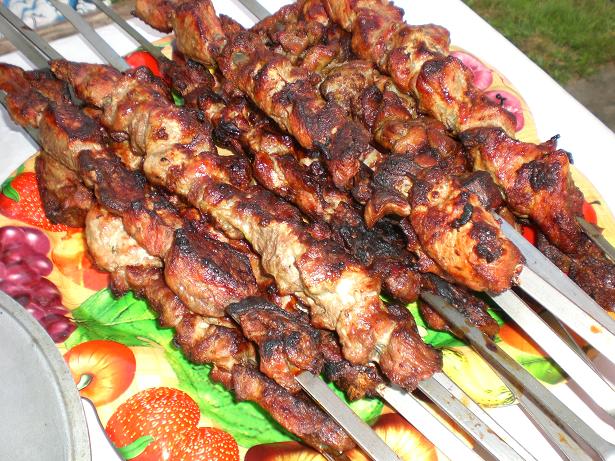 It’s also appropriately beach-side casual, with a narrow dining area barely larger than a covered home patio and no more formal in furnishings or decor. The menu, however, is far bigger and more sophisticated than you’d expect to find in a row of cheese-steak-and-burger shacks.
Of course, this is an Armenian restaurant so the menu isn’t to be taken literally, as we discovered when asking our very friendly server for several lamb dishes that are apparently available only if ordered ahead.
I got a kick out of seeing khash listed, if only because you so seldom read the phrase “cow feet” on a menu. Alas, the waitress explained that the traditional feet-and-innards soup is best enjoyed before dawn and the restaurant doesn’t open until 1 p.m. As an Armenian, I appreciated the philosophical dilemma. I suspect “odars” might not, but they’re unlikely to order such a thing anyway.
The menu is also unusual in another way, at least for us: The fare is not just Armenian but also Russian and Georgian. Dining at Hollywood Grill is a uniquely Trans-Caucasian experience in a tropical setting. In fact, in 2006 the Broward New Times ran a story about the Hollywood Grill and it’s diverse South Caucasian cuisine.
We weren’t feeling quite so adventurous, so we passed up the dumplings and borscht and stuck with mostly familiar choices — and none disappointed us.
The Greek salad was far more than enough for three, and very much Armenian with large chunks of cucumber, tomato and Armenian cheese mixed with herbs. No lettuce, thank you. There are several other salads available, including one laced with basturma!
The stuffed cabbage was neatly done, with a generous and moist meat stuffing. The lule kebab was excellent. The lahmajoun was most impressive, with a crisp and clearly home-made crust and served with generous slices of fresh tomato as well as raw onion, parsley, and lemon.
In all, it was a very satisfying meal and we were able to walk off at least a few of the calories while enjoying the balmy breeze as we strolled along the crystal-blue oceanfront.
The smile on Mandy’s face showed us how much she enjoyed the meal. What you won’t see are the smiles on our faces. We enjoyed the meal, too, but we enjoyed the company even more.
Robyn Kalajian is a retired culinary teacher in Florida and Chief Cook at www.TheArmenianKitchen.com. Douglas Kalajian is a retired editor/journalist and Sous Chef at www.TheArmenianKitchen.com.
US House Foreign Affairs Committee Passes Legislation Calling on Turkey to Re-open Halki Seminary, Chairwoman Ros-Lehtinen Calls on Turkey to End Occupation of Cyprus
By Taniel Koushakjian
FLArmenians Political Contributor
Miami, FL – Last month, the US House Foreign Affairs Committee passed H. Res. 506, legislation “calling on the Government of Turkey to facilitate the reopening of the Ecumenical Patriarchate’s Theological School of Halki without condition or further delay.” A symbolic measure similar to the Armenian Genocide resolution, H. Res. 506 (the Halki bill) is a non-binding, sense of the House resolution and has no legal or statutory effect. Florida Congressman, and member of the House Foreign Affairs Committee, Gus Bilirakis (R-FL), introduced the Halki bill. Bilirakis is the Co-Chair of the Congressional Hellenic Caucus, and a member of the Congressional Armenian Caucus and International Religious Freedom Caucus.
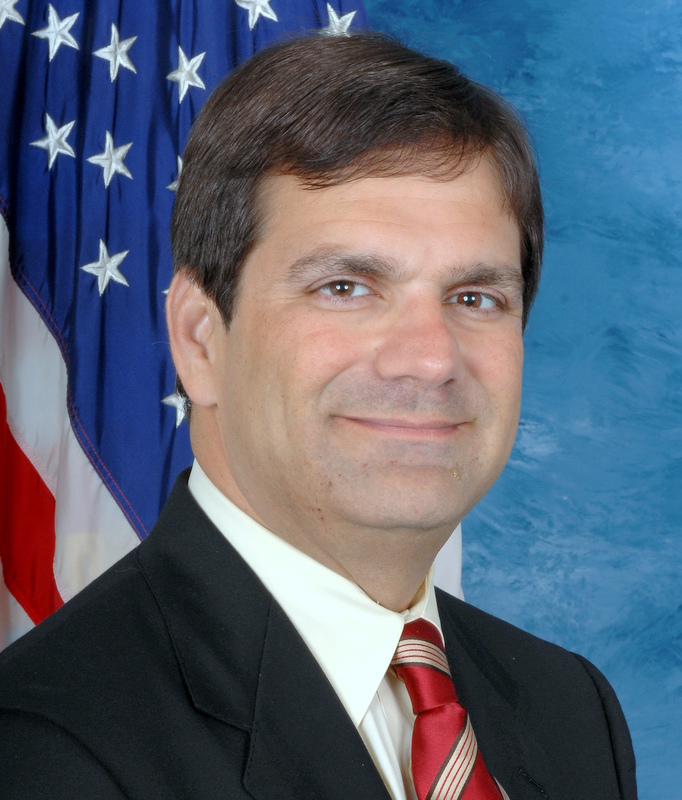
Rep. Gus Bilirakis (R-FL)
Founded in 1844, the Theological School of Halki served as the principal seminary for the Greek Orthodox Ecumenical Patriarchate until Turkish authorities forcibly closed the institution in 1971. “It is time that the Theological School at Halki is immediately reopened with no preconditions,” Congressman Bilirakis said. “What the Orthodox Christian community and all religious freedom watchdogs throughout the world are asking for is simply that Turkey abides by its constitution, which secures religious rights for all of its citizens and institutions,” stated Bilirakis.
In addition to Congressman Bilirakis, 35 Members of Congress cosponsored the bill, including House Foreign Affairs Committee Chairwoman Ileana Ros-Lehtinen (R-FL), and Florida Representatives Mario Diaz-Bolart (R-FL), Frederica Wilson (D-FL), David Rivera (R-FL) and Allen West (R-FL). The next step in the legislative process is for H. Res. 506 to be scheduled for a vote on the House floor. There is no indication that the Halki bill will receive a vote by the full House at this time. However, given the upcoming Presidential election, it would not be surprising to see H. Res. 506 pass the House of Representatives before November.
Two weeks following committee passage of H. Res. 506, Chairwoman Ros-Lehtinen wrote a punishing Op-Ed in the Washington Times explicitly calling on Turkey to leave Cyprus in peace. In her opinion column, Ros-Lehtinen strongly condemned the “illegal military occupation of Cyprus by Turkish troops,” highlighting the “75 [United Nations Security Council] resolutions calling for Turkey to allow Greek Cypriots to return to their homes and to withdraw its troops from Cyprus.”
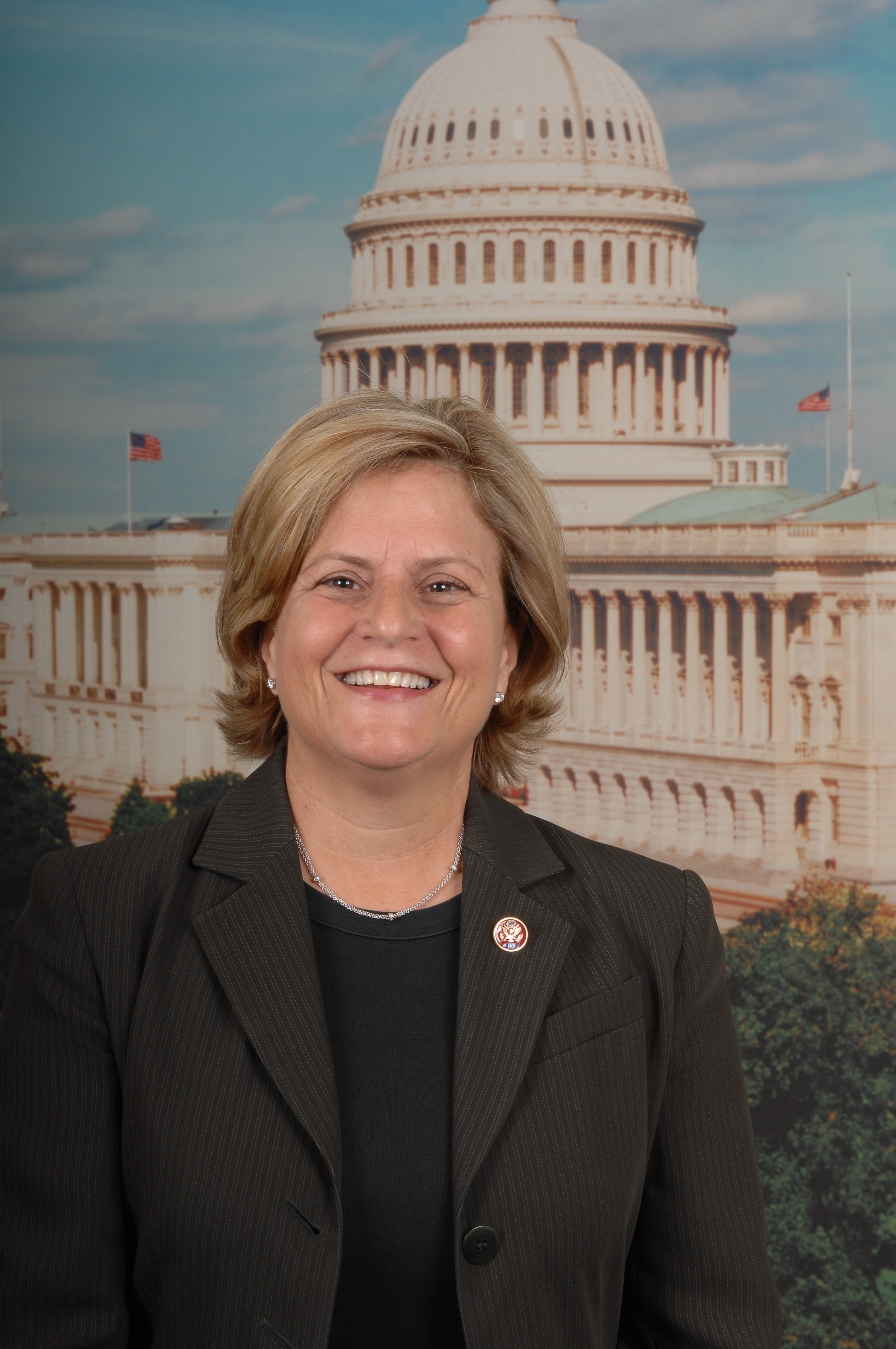
Rep. Ileana Ros-Lehtinen (R-FL)
Turkey invaded the Mediterranean island in 1974, dividing it between the north and south, causing massive destruction of life, land and religious artifacts. The decades long presence of Turkish troops in Cyprus, which today number 40,000, in addition to Ankara’s promotion of mainland-Turkish emigration to the occupied territory, amount to Turkey’s “creeping annexation” of the island, according to Ros-Lehtinen.
Cyprus is a member of the European Union (EU), which Turkey aspires to join, with US support. Yet Turkey does not recognize the existence of the Cypriot Republic, a major obstacle in Turkey’s EU bid. In recent months, pressure has been mounting heavily on Turkey to end its illegal occupation and help bring about a peaceful reunification of the island, since Cyprus assumed the rotating EU Presidency on July 5.
As Ros-Lehtinen points out in her column, Turkish Prime Minister Recep Tayyip Erdogan’s statements unequivocally illustrate Ankara’s annexation policy. While in Cyprus last year Erdogan told Turkish-Cypriots, “If you don’t want us to send people, you need to have more babies.” Also last year, Erdogan visited Germany; home to approximately 3 million ethnic Turks. In his address to the Turkish-German community Erdogan told his ethnic kin to integrate into German society, but to resist “assimilation,” irking German officials. Statements such as these do little to quell Western fears of the Turkish Prime Minister and his ruling Justice & Development Party’s growing neo-Ottomanism, which many view as an extension of the Ottoman Empire’s pan-Turanism policy. That policy led to the 1915 Armenian Genocide, where 1.5 million Armenians perished in a systematic effort by Ottoman Turks to cleans Anatolia of its ethnic Christian (Armenian, Greek and Assyrian) origins.
Chairwoman Ros-Lehtinen is a member of the Armenian Caucus, Hellenic Caucus & Turkish Caucus. As previously reported by FLArmenians, Chairwoman Ros-Lehtinen was instrumental in the successful passage of H. Res. 306, the Protection of Christian Heritage bill, by the full House of Representatives in December of last year. Ros-Lehtinen and Bilirakis are the only members on the Armenian Caucus from the Florida delegation, and the only members of the Florida delegation to cosponsor H. Res. 306.
In February, the American Hellenic Institute (AHI) held a screening of the one-hour documentary “Cyprus Still Divided: A US Foreign Policy Failure,” at the Archimedean Academy Amphitheater in Miami, Florida. Chairwoman Ros-Lehtinen offered the keynote address at this event and expressed strong support for Hellenic-American issues. Reflecting on her family’s experience fleeing the communist regime of Cuban dictator Fidel Castro, “I know…what is at stake if we in this country fail to support the Greek-Cypriots in their struggle,” Ros-Lehtinen said.
Whether Congressional leaders genuinely support efforts to protect international religious freedom in Turkey, especially in the face of growing persecution of Christian minorities and a culture of anti-Christian intimidation throughout the Middle East, remains to be seen in either US law or the execution of foreign policy. Although foreign relations is Constitutionally reserved to the Executive branch, Congress retains many tools at its disposal, such as the state department authorization act, national defense authorization act, foreign assistance appropriations measures, and the authorization of US military and defense company procurements, all of which have the ability to dramatically impact US policy in the region.
Armenian Genocide featured in Miami Dade College’s First Annual Genocide Awareness Week
Armenian Genocide featured in Miami Dade College’s First Annual Genocide Awareness Week
By Tina Varjabedian
FLArmenians Miami Contributor
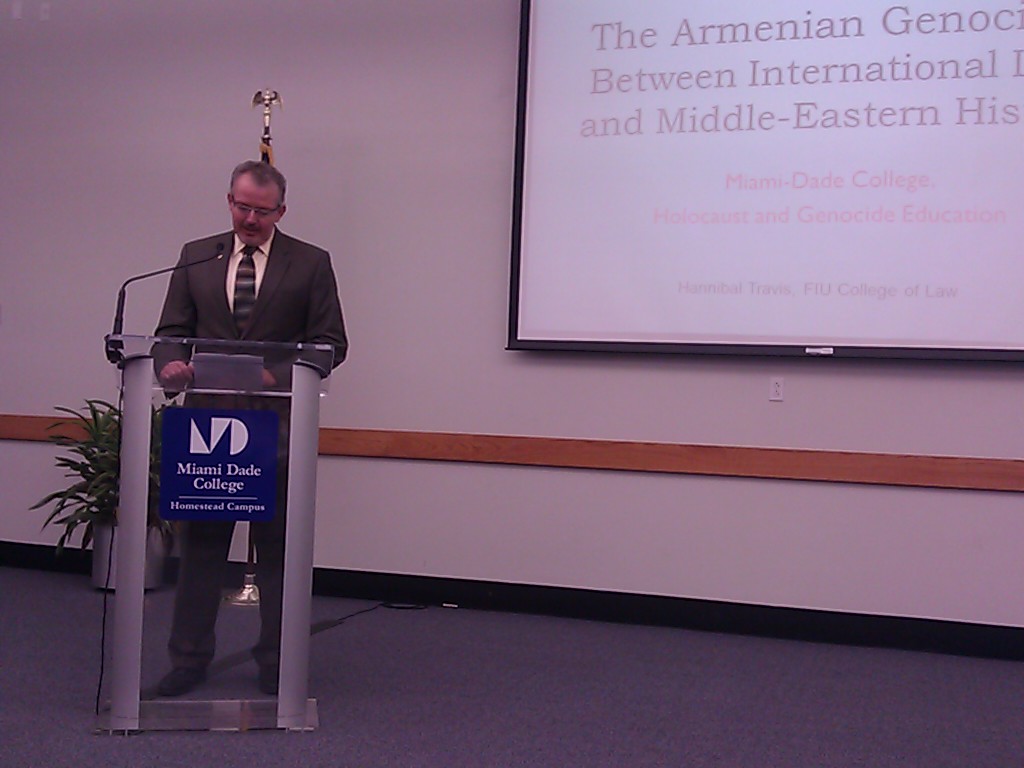
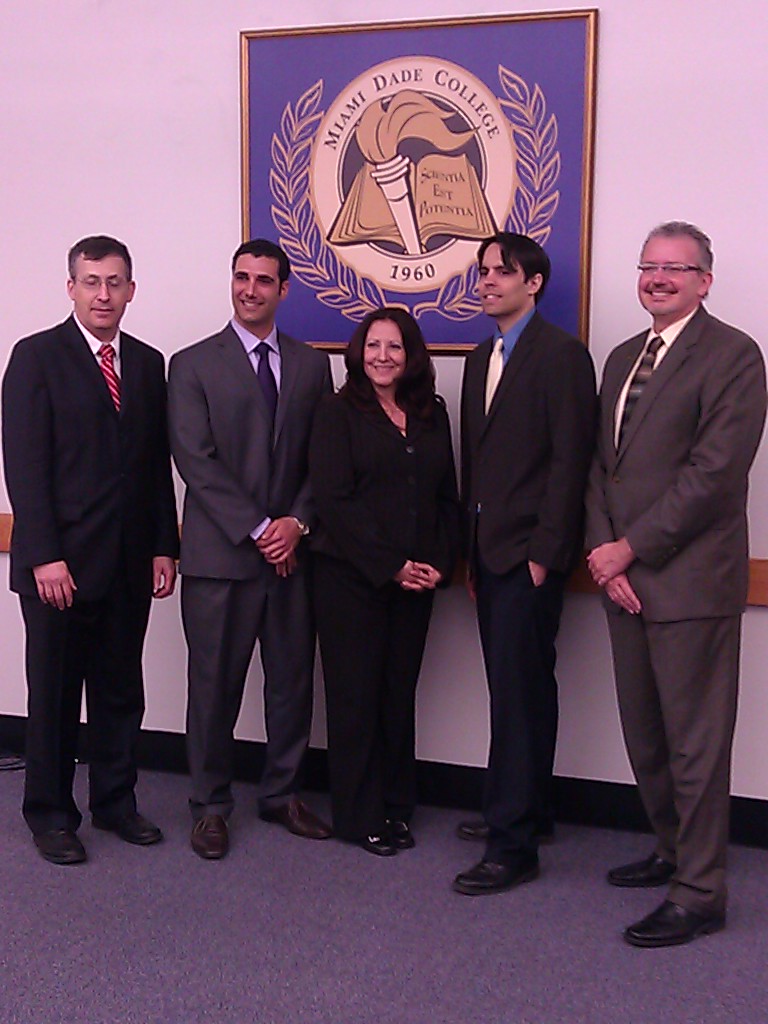
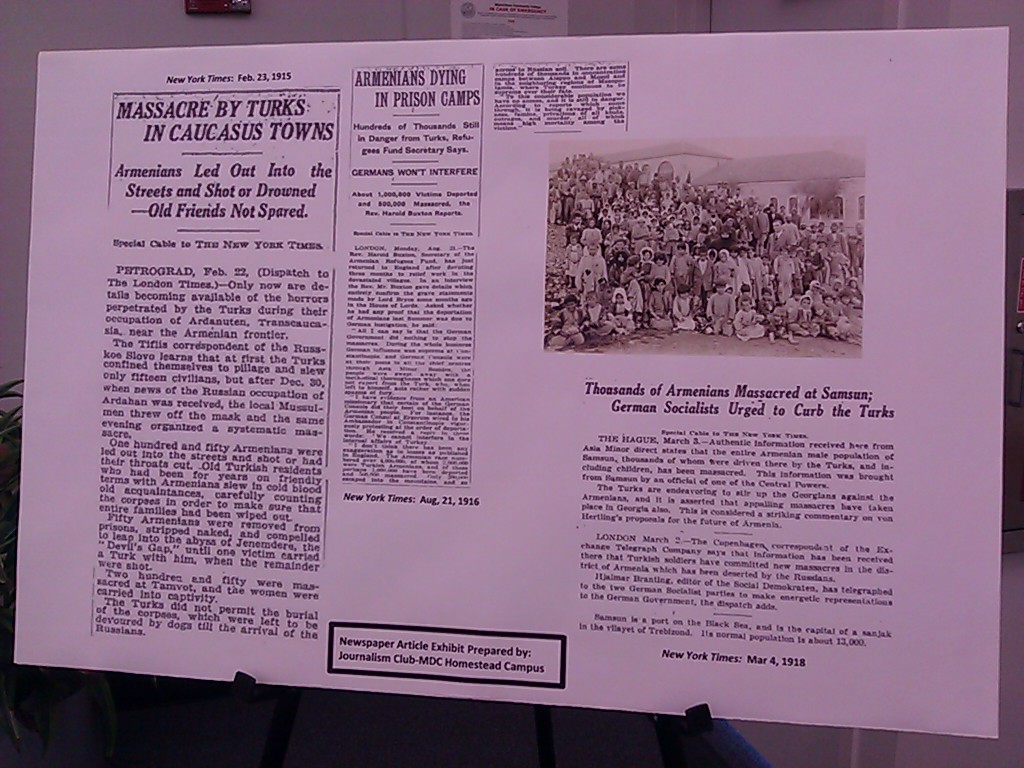
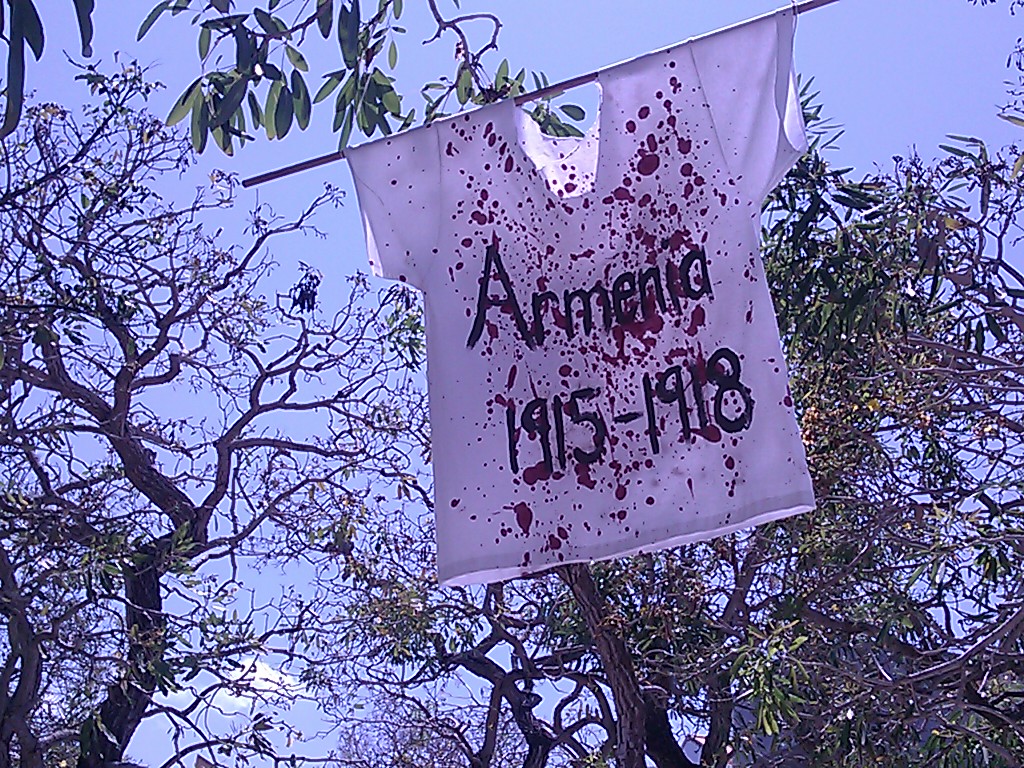
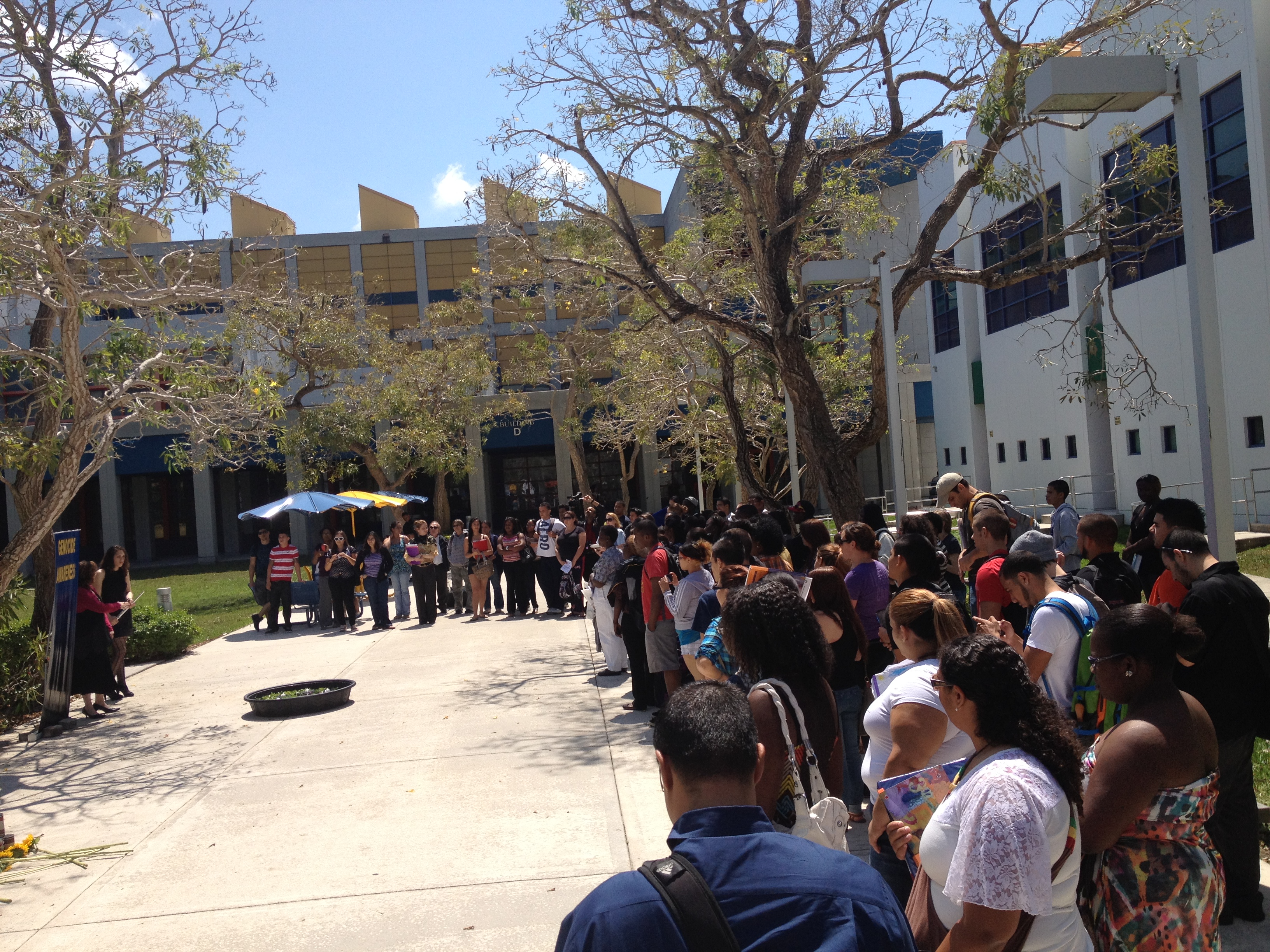
Miami, FL – On Wednesday, April 4, Miami Dade College’s Homestead campus launched their First Annual Genocide Awareness Week with an opening event presenting the Armenian Genocide. Over 200 students and faculty members of non-Armenian backgrounds were present to learn about the history and politics surrounding the events of the Armenian Genocide.
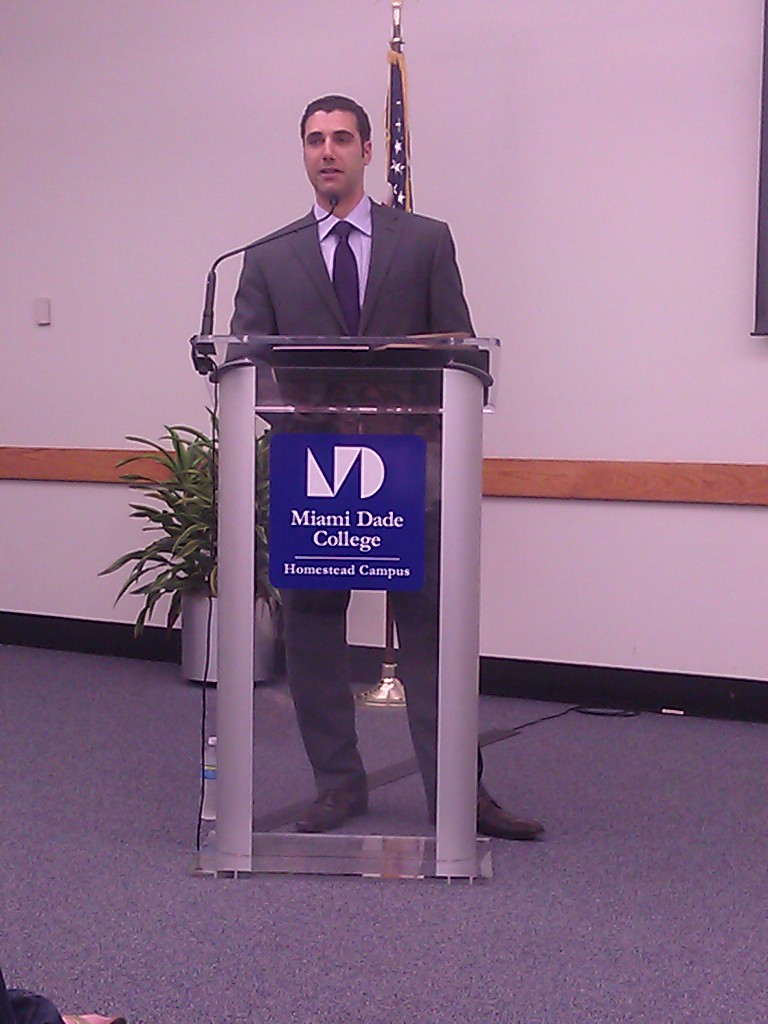
Dr. Jeffery Thomas, Dean of Miami Dade College’s Homestead Campus, enthusiastically gave a welcoming introduction where he emphasized the significance of recognizing what he pronounced as a “denied chapter in world history.” Professor Hannibal Travis, J.D. from Florida International University’s College of Law, presented a discussion about International Law and Middle Eastern Politics. Taniel Koushakjian, Director of Grassroots at the Armenian Assembly of America, concluded the discussion with a segment on Survivor Accounts and Current Political Aspects Surrounding Armenian Genocide Recognition.
The lectures were followed by a “March for Genocide Prevention” ceremony, where students and faculty marched from the auditorium to the campus’s courtyard while holding sunflowers symbolizing the martyrs of the genocide. The event was concluded with a casual Q & A between the event’s speakers and students, while they enjoyed samples of Armenian pastries and music in the courtyard displaying the students’ Genocide artwork.